Thanks for sharing an interesting post more everyone can Revamp your wardrobe with Deepak Perwani’s Formals collection exclusively available online and in stores.
Reply 8878
sulaiman commented 6 years ago
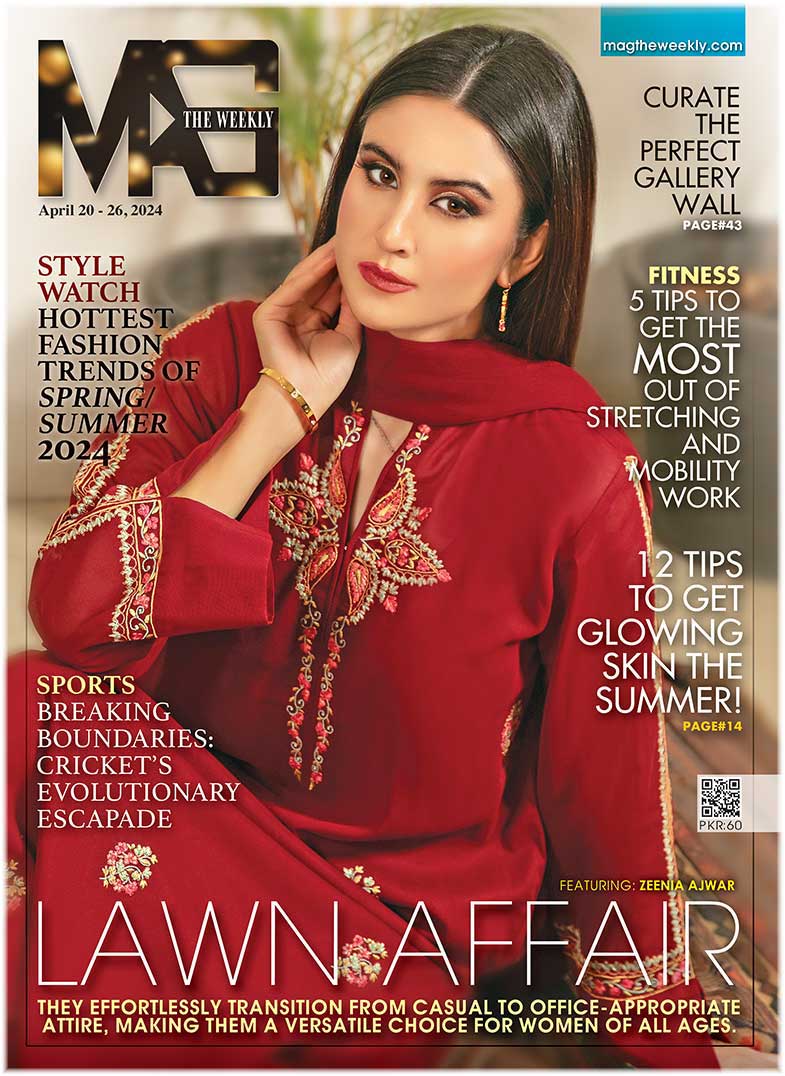
nice dress and nice hair style
Reply 10497
Salahuddin Yousaf commented 6 years ago
Dear u r too nice
Reply 1919
Sulaiman rashid commented 6 years ago
V.nice Hair style and pretty style and nice magazine. Wow
Reply 119109
Michelle Ball commented 6 years ago
You need to give credit to the sources/authors of your information. If you don't that is considered plagiarism.
Reply 155135
M.junaid jameel commented 6 years ago
Owsam
Reply 156141
heer commented 6 years ago
nice
Reply 135127
Rahila Anees commented 6 years ago
Reading Mag Magazine is an Opportunity to know recent updates of Fashion & International Relations
Reply 8568
IRFAN KHAN commented 6 years ago
V NICE
Reply 1712
sulman commented 6 years ago
I liked the mag particularly pictures of Mahira khan.
Reply 7466
khan commented 6 years ago
i want to read a lot.
Reply 2117
Sehrish commented 6 years ago
Nice
Reply 2014
Worth reading magazine, entertaining and informative commented 6 years ago
Worth reading magazine, informative and entertaining
Reply 1111
akasha commented 6 years ago
very nice magzine and dress MASHAALLAH
MBA
Akasha arshad
Reply 2512
akasha commented 6 years ago
NICE
Reply 279
Tanveer ashtaf commented 6 years ago
Good carry on
Reply 2010
Mohammad faisal commented 6 years ago
very famous magzien & 35 yrs old
Reply 209
Atif Ali commented 6 years ago
100 nice magzine.....
Reply 165
Raja mubarik commented 6 years ago
بہت خوب ہے
Reply 3612
Zulfiqar Ali commented 6 years ago
Naic
Reply 1914
Mian Aslam Saif commented 6 years ago
Mag pioneer magzine of pakistan fashion industry and played vital role to promote pakistani culture and soft image globally.
Reply 198
Mehmood commented 6 years ago
perfect
Reply 105
adnan ahmed commented 6 years ago
nice dress
Reply 128
Mehmood commented 6 years ago
please send me old 2016-2017 MAG magazine
Reply 1412
DR KHALAS KHAN NIAZI commented 6 years ago
KNOWLEDGE
Reply 138
Farhan saleem commented 6 years ago
I mean wao that girl looking so gorgeous
Reply 78
Mazhar Paracha commented 6 years ago
Interested magazine
Reply 139
Jia rana commented 6 years ago
Amazing
Reply 105
ibad akbar commented 6 years ago
NICE LOOK
Reply 139
zeshan pervaiz commented 6 years ago
Amazing Magazine
Reply 54
Sanaullah commented 6 years ago
Nice StyLe
Reply 85
Ali hasnain commented 6 years ago
Good nice
Reply 26
Fahid commented 6 years ago
You both look great... MashAllah!.
Reply 73
Muhammad Noman Siddiqui commented 6 years ago
Outstanding Magzine
Reply 12
Muhammad Noman Siddiqui commented 6 years ago
Outstanding Magazine
Reply 35
ZAHIR KHAN commented 6 years ago
So beautiful and charming magazine it is.
Reply 94
Iram basheer commented 6 years ago
The magazines are so cute
Reply 64
Allahwarayo commented 6 years ago
Super
Reply 54
Gunyar Shah commented 6 years ago
nice dress
Reply 42
Syed Irfan Abbas Shah commented 6 years ago
Its really an amazing Mag.. I love its style. It meets all the required blends of fashion, joy, business, showbiz and much more..
Reply 56
mujahid commented 6 years ago
Really Mag maintained the eastern style, i proud of this fashion.
Reply 54
Waqas commented 6 years ago
Ma Sha Allah Very Very Nice Magazine .
Reply 75
salman commented 6 years ago
very very nice mag
Reply 33
Mr. AQZ commented 5 years ago
Stunning and Dazzling. Nice figure.
Reply 45
Raheel Rehman commented 5 years ago
An Excellent Magazine from since very Long
Reply 43
S Jahan commented 5 years ago
Entertaining and informative magazine
Reply 30
muhammad shahzad omar bhatti commented 5 years ago
very good fashion magzine
Reply 21
muhammad shahzad omar bhatti commented 5 years ago


COMMENTS
Moon Mughal commented 7 years ago
Najeeb Alam commented 6 years ago
aamir commented 6 years ago
mosaddiq fateh commented 7 years ago
mosaddiq fateh commented 7 years ago
safdarraza commented 6 years ago
Nasim commented 6 years ago
Nadeem Ahmed commented 6 years ago
Muhammad Moavia Aziz commented 6 years ago
Sara commented 6 years ago
aman khan commented 6 years ago
sulaiman commented 6 years ago
Salahuddin Yousaf commented 6 years ago
Sulaiman rashid commented 6 years ago
Michelle Ball commented 6 years ago
M.junaid jameel commented 6 years ago
heer commented 6 years ago
Rahila Anees commented 6 years ago
IRFAN KHAN commented 6 years ago
sulman commented 6 years ago
khan commented 6 years ago
Sehrish commented 6 years ago
Worth reading magazine, entertaining and informative commented 6 years ago
akasha commented 6 years ago
akasha commented 6 years ago
Tanveer ashtaf commented 6 years ago
Mohammad faisal commented 6 years ago
Atif Ali commented 6 years ago
Raja mubarik commented 6 years ago
Zulfiqar Ali commented 6 years ago
Mian Aslam Saif commented 6 years ago
Mehmood commented 6 years ago
adnan ahmed commented 6 years ago
Mehmood commented 6 years ago
DR KHALAS KHAN NIAZI commented 6 years ago
Farhan saleem commented 6 years ago
Mazhar Paracha commented 6 years ago
Jia rana commented 6 years ago
ibad akbar commented 6 years ago
zeshan pervaiz commented 6 years ago
Sanaullah commented 6 years ago
Ali hasnain commented 6 years ago
Fahid commented 6 years ago
Muhammad Noman Siddiqui commented 6 years ago
Muhammad Noman Siddiqui commented 6 years ago
ZAHIR KHAN commented 6 years ago
Iram basheer commented 6 years ago
Allahwarayo commented 6 years ago
Gunyar Shah commented 6 years ago
Syed Irfan Abbas Shah commented 6 years ago
mujahid commented 6 years ago
Waqas commented 6 years ago
salman commented 6 years ago
Mr. AQZ commented 5 years ago
Raheel Rehman commented 5 years ago
S Jahan commented 5 years ago
muhammad shahzad omar bhatti commented 5 years ago
muhammad shahzad omar bhatti commented 5 years ago
Muhammad imran khan commented 5 years ago
Very nice dress commented 4 years ago
Afzal baranzai commented 2 years ago